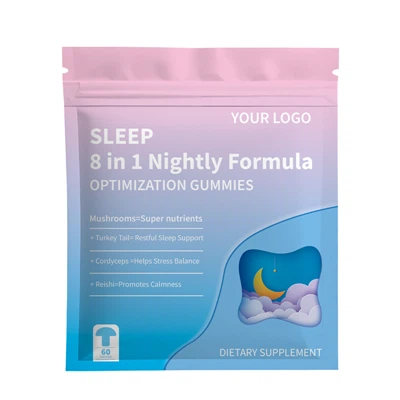
Can oral tablets be used for treating bone problems?
As a supplier of oral tablets, I've often been asked whether our products can effectively address bone - related issues. In this blog, I'll delve into the science behind using oral tablets for bone treatment, explore the types of tablets that might be beneficial, and share some insights based on current research.
The Science of Bone Health
Before discussing oral tablets, it's essential to understand the basics of bone health. Bones are living tissues that constantly undergo a process of remodeling. Osteoblasts are cells responsible for building new bone, while osteoclasts break down old bone. This balance is crucial for maintaining strong and healthy bones.
Factors such as age, diet, hormonal changes, and physical activity can disrupt this balance. For example, as we age, the rate of bone breakdown may exceed the rate of bone formation, leading to conditions like osteoporosis. Hormonal changes, especially in women during menopause, can also accelerate bone loss.
Oral Tablets and Bone Treatment
Oral tablets can play a significant role in bone treatment and prevention of bone - related problems. They can provide essential nutrients that support bone health in various ways.
Calcium and Vitamin D Tablets
Calcium is the primary mineral in bones, and vitamin D is crucial for calcium absorption. Many oral tablets combine these two nutrients. Calcium tablets come in different forms, such as calcium carbonate and calcium citrate. Calcium carbonate is more commonly used because it's inexpensive and contains a high amount of elemental calcium. However, it requires stomach acid for absorption, so it's best taken with meals. Calcium citrate, on the other hand, can be taken with or without food and is a good option for people with low stomach acid.
Vitamin D helps the body absorb calcium from the intestines and also plays a role in bone remodeling. Without adequate vitamin D, the body cannot effectively use the calcium we consume. Oral tablets that combine calcium and vitamin D are a convenient way to ensure that the body gets enough of these essential nutrients. For instance, Collagen Vitamin Tablets for Women may also contain calcium and vitamin D, along with other beneficial ingredients for bone health.
Magnesium Tablets
Magnesium is another important mineral for bone health. It helps regulate calcium metabolism and is involved in the activation of vitamin D. Magnesium deficiency can lead to reduced bone density and an increased risk of fractures. Oral magnesium tablets can help maintain the right magnesium levels in the body. Magnesium works in synergy with calcium and vitamin D, and together, they support optimal bone health.
Collagen Tablets
Collagen is the main protein in bones, providing a framework for calcium and other minerals to attach to. As we age, collagen production decreases, which can lead to weaker bones. Collagen tablets can help replenish the body's collagen levels. They can improve bone density and strength by providing the necessary building blocks for bone tissue. Collagen Vitamin Tablets for Women are designed to target the specific needs of women, including maintaining bone health during different life stages.
Research on Oral Tablets for Bone Treatment
Numerous studies have investigated the effectiveness of oral tablets in treating bone problems. A meta - analysis of several randomized controlled trials found that calcium and vitamin D supplementation significantly reduced the risk of fractures in post - menopausal women. These supplements were particularly effective in preventing hip fractures, which are a major concern for older adults.
Another study on collagen supplementation showed that it improved bone mineral density in women with osteoporosis. The participants who took collagen tablets for a certain period had a significant increase in bone mass compared to those who did not take the supplements.

Limitations and Considerations
While oral tablets can be beneficial for bone health, they are not a one - size - fits - all solution. Some people may have difficulty absorbing the nutrients from tablets due to factors such as digestive problems or certain medications. For example, some medications can interfere with calcium absorption.
Also, oral tablets should be part of a comprehensive approach to bone health. A balanced diet rich in fruits, vegetables, and dairy products is essential. Regular physical activity, especially weight - bearing exercises like walking, running, and weightlifting, can also help strengthen bones.
Other Benefits of Oral Tablets
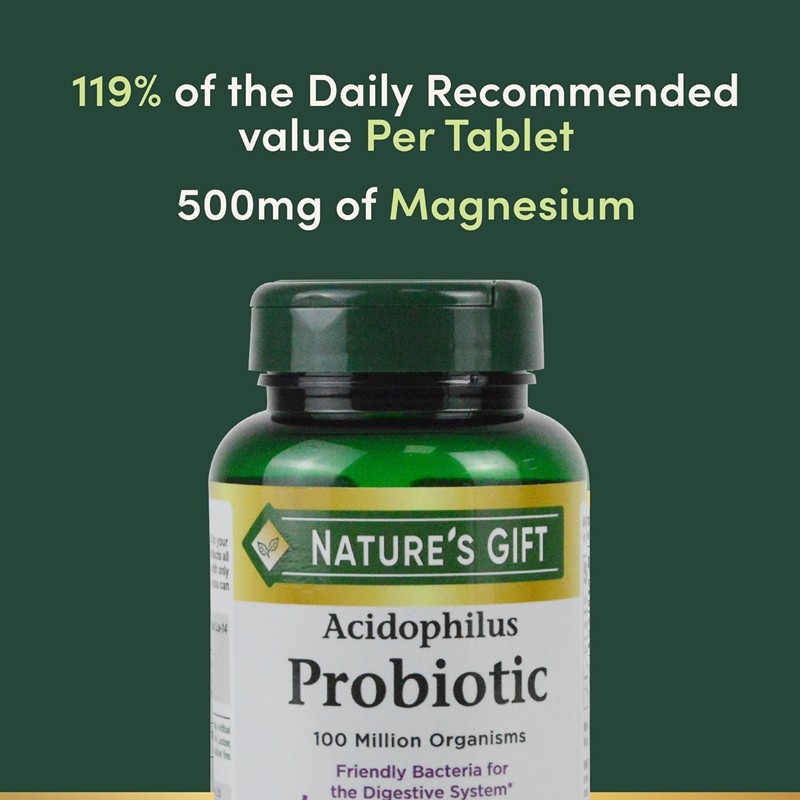
Apart from bone health, some of our oral tablets offer additional benefits. For example, Nature's GIFT Intestinal Regulation can help maintain a healthy gut microbiome. A healthy gut is important for overall health, as it can affect nutrient absorption, immune function, and even mental health.
Conclusion
In conclusion, oral tablets can be an effective part of treating and preventing bone problems. Calcium, vitamin D, magnesium, and collagen tablets all play important roles in supporting bone health. However, it's important to consult a healthcare provider before starting any new supplement regimen, especially if you have underlying health conditions or are taking other medications.
As a supplier of high - quality oral tablets, we are committed to providing products that are backed by science and can help improve the health of our customers. If you're interested in learning more about our oral tablets for bone health or other products, I encourage you to reach out for a procurement discussion. We can work together to find the best solutions for your needs.
References
- Ross, A. C., Manson, J. E., Abrams, S. A., Aloia, J. F., Brannon, P. M., Clinton, S. K.,... & Ziegler, T. R. (2011). The 2011 report on dietary reference intakes for calcium and vitamin D from the Institute of Medicine: what clinicians need to know. The Journal of Clinical Endocrinology & Metabolism, 96(1), 53 - 58.
- Reginster, J. Y., Neuprez, A., Deroisy, R., & Bruyère, O. (2019). Collagen hydrolysate supplementation in aging and osteoarthritis. Current opinion in rheumatology, 31(2), 186 - 192.