What is the price range of gummy candy?
As a seasoned gummy candy supplier, I've had the privilege of witnessing the diverse landscape of the gummy market. Gummy candies are not just a treat for the taste buds; they've evolved into a multi - faceted product category, from simple fruit - flavored snacks to functional gummies packed with vitamins and supplements. One of the most common questions I receive from potential buyers is about the price range of gummy candies. In this blog, I'll delve into the factors that influence the price of gummy candies and provide a comprehensive overview of the typical price ranges.
Factors Affecting Gummy Candy Prices
1. Ingredients
The quality and type of ingredients used in gummy candies play a significant role in determining their price. At the most basic level, gummy candies are made from gelatin, sugar, flavorings, and colorings. However, the source and quality of these ingredients can vary widely.
For example, organic ingredients are generally more expensive than their conventional counterparts. Organic sugar, which is produced without the use of synthetic pesticides and fertilizers, costs more to grow and process. Similarly, natural flavorings and colorings derived from fruits, vegetables, and herbs are pricier than artificial ones.


Functional gummies, such as Strawberry Biotin Gummies, which are fortified with biotin for hair and nail health, contain additional ingredients like vitamins, minerals, and botanicals. These added components increase the cost of production, and as a result, the price of the product.
2. Manufacturing Process
The manufacturing process of gummy candies can also impact their price. High - quality gummy candies are often made using a more complex and labor - intensive process. For instance, some gummies are made using a starch - molding method, which involves pouring the gummy mixture into starch molds to set. This method requires careful temperature control and precise timing to ensure the gummies have the right texture and shape.
On the other hand, cheaper gummy candies may be produced using a simpler extrusion process, which is faster and less labor - intensive. However, the quality and texture of gummies made through extrusion may not be as high as those made using the starch - molding method.
3. Brand and Packaging
Well - known brands often command a higher price for their gummy candies. Brand recognition is built through years of marketing, quality control, and customer trust. Consumers are often willing to pay more for a brand they know and trust, as they believe they are getting a higher - quality product.
Packaging also plays a role in the price of gummy candies. Eye - catching and innovative packaging can increase the perceived value of the product. For example, gummies packaged in resealable bags or attractive jars are more likely to be priced higher than those in simple plastic bags.
4. Quantity and Bulk Orders
The quantity of gummy candies you purchase can significantly affect the price per unit. Buying in bulk is usually more cost - effective than buying individual packs. As a supplier, I offer discounted prices for large - scale orders. This is because the cost of production, packaging, and shipping can be spread out over a larger number of units, resulting in a lower cost per gummy.
Typical Price Ranges of Gummy Candies
1. Basic Gummy Candies
Basic gummy candies, such as those with simple fruit flavors like cherry, lemon, and grape, are generally the most affordable. These gummies are often made with conventional ingredients and a simple manufacturing process. In the retail market, a small pack (around 2 - 3 ounces) of basic gummy candies can cost anywhere from $1 to $3. Larger packs (8 - 12 ounces) may range from $3 to $6.
2. Premium Gummy Candies
Premium gummy candies are made with higher - quality ingredients, such as organic sugar, natural flavorings, and colorings. They may also have a more complex manufacturing process and attractive packaging. A small pack (2 - 3 ounces) of premium gummy candies can cost between $3 and $5, while larger packs (8 - 12 ounces) may range from $6 to $10.
3. Functional Gummy Candies
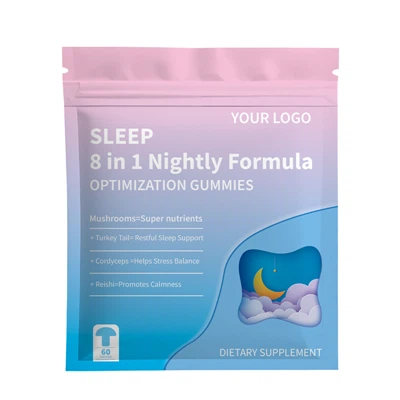
Functional gummy candies, which are designed to provide health benefits, are typically more expensive than basic or premium gummy candies. These gummies contain added vitamins, minerals, or other supplements. For example, Male Performance Gummies are formulated to support male health. A bottle of functional gummy candies, usually containing 30 - 60 gummies, can cost between $15 and $30, depending on the brand and the specific ingredients used.
4. Bulk Orders
For bulk orders, the price per unit can be significantly lower. As a supplier, I offer basic gummy candies at a price of around $0.10 to $0.20 per piece for orders of 10,000 pieces or more. Premium gummy candies may cost between $0.20 and $0.30 per piece for large - scale orders. Functional gummy candies, due to their higher ingredient costs, are priced at around $0.30 to $0.50 per piece for bulk orders.
Conclusion
The price range of gummy candies is influenced by a variety of factors, including ingredients, manufacturing process, brand, packaging, and quantity. Whether you're looking for a simple, affordable treat or a high - end functional gummy, there is a product available to suit your budget.
If you're interested in purchasing gummy candies for your business, whether it's a retail store, a health food shop, or an online marketplace, I'd be more than happy to discuss your specific needs. We can work together to find the right gummy candies at the best possible price. Feel free to reach out to me to start a conversation about your gummy candy procurement.
References
- "The Science of Gummy Candies" - Journal of Confectionery Research
- "Market Trends in the Gummy Candy Industry" - Confectionery Business Magazine
- "Ingredient Sourcing and Pricing in the Gummy Manufacturing Process" - Food Manufacturing Review