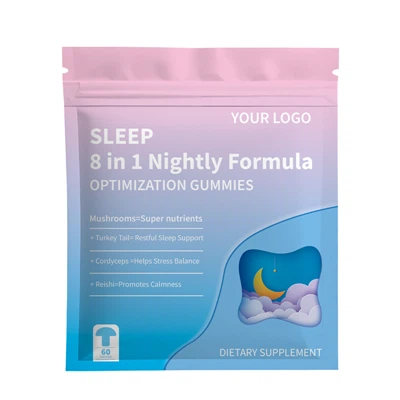
Chewable tablets and chewable capsules are two popular oral dosage forms, especially favored for their convenience and ease of administration, particularly for those who have difficulty swallowing traditional pills. As a supplier of chewable tablets, I've had extensive experience with these products and understand the nuances that set them apart. In this blog, I'll delve into the differences between chewable tablets and chewable capsules, exploring their composition, manufacturing processes, benefits, and more.
Composition and Structure
Chewable tablets are solid dosage forms made by compressing a mixture of active pharmaceutical ingredients (APIs) and excipients. The excipients play crucial roles, including binding the ingredients together, providing flavor, and ensuring proper disintegration in the mouth. For example, our Beetroot Resist Fatigue Slices are formulated with beetroot extract as the active ingredient, along with binders, fillers, and natural flavorings. The binders hold the tablet together, while the fillers add bulk to achieve the desired tablet size.
On the other hand, chewable capsules consist of a gelatin or vegetarian shell that encloses the active ingredients and excipients. The shell is designed to be chewed and broken down in the mouth, releasing the contents. The contents can be in the form of powders, granules, or liquids. For instance, some chewable capsules may contain oily substances that are better protected and delivered in a capsule form.
Manufacturing Processes
The manufacturing process of chewable tablets involves several steps. First, the APIs and excipients are carefully weighed and mixed to ensure uniform distribution. Then, the mixture is compressed into tablets using a tablet press. The compression force is adjusted to achieve the desired hardness and friability of the tablets. After compression, the tablets may undergo additional processes such as coating for improved appearance, taste, or stability.
In contrast, the production of chewable capsules starts with preparing the contents, which may involve blending powders, granulating, or filling liquids. The gelatin or vegetarian shells are then formed and filled with the prepared contents using specialized encapsulation equipment. The capsules are then sealed to prevent leakage and ensure product integrity.
Taste and Palatability
One of the key considerations for consumers is the taste of the product. Chewable tablets offer more flexibility in terms of flavoring. Since the active ingredients are mixed with flavorings during the manufacturing process, a wide range of flavors can be incorporated, such as fruit flavors, mint, or chocolate. Our Refreshing Mint Tablets are a great example, providing a cool and refreshing taste that is well - received by consumers.
Chewable capsules, however, may have limitations in flavoring. The shell can sometimes mask the flavor of the contents, and the taste of the shell itself may not be as pleasant for some people. Additionally, if the contents have a strong or unpleasant taste, it can be more difficult to disguise compared to chewable tablets.
Disintegration and Absorption
The disintegration and absorption of the active ingredients are important factors in determining the efficacy of the product. Chewable tablets are designed to disintegrate quickly in the mouth when chewed. The saliva helps to break down the tablet, releasing the active ingredients for absorption through the oral mucosa. This can lead to a relatively rapid onset of action, especially for certain medications. For example, some chewable antacids work quickly to relieve heartburn by neutralizing stomach acid as soon as they are chewed and absorbed in the mouth and esophagus.
Chewable capsules, once chewed, need to first break the shell before the contents can be released. This may result in a slightly slower disintegration process compared to chewable tablets. However, the absorption of the active ingredients from chewable capsules can still be efficient, especially if the contents are in a form that is easily absorbed.
Stability and Shelf - Life
Chewable tablets generally have good stability. The compression process and the use of appropriate excipients can protect the active ingredients from environmental factors such as moisture, light, and oxygen. However, factors such as humidity can affect the hardness and friability of the tablets over time. Proper packaging, such as blister packs or bottles with desiccants, is often used to maintain the stability of chewable tablets.
Chewable capsules also offer good stability, especially when it comes to protecting the contents from external factors. The shell acts as a barrier, preventing the active ingredients from being exposed to air, moisture, and light. However, the shell material itself can be affected by temperature and humidity, which may cause it to become brittle or sticky.
Dosage Accuracy
Chewable tablets are typically formulated to provide a precise dosage of the active ingredient. The compression process ensures that each tablet contains a consistent amount of the API. This makes it easier for consumers to take the correct dosage as prescribed.
In the case of chewable capsules, the dosage accuracy depends on the filling process. While modern encapsulation equipment can achieve high levels of accuracy, there may be a slightly higher risk of variability compared to chewable tablets, especially if the contents are in a liquid or semi - liquid form.
Cost
The cost of production can influence the price of the product. Chewable tablets are generally more cost - effective to manufacture. The equipment required for tablet production is relatively simple and widely available, and the raw materials for tablets are often less expensive compared to the shell materials used in chewable capsules. This can result in a lower price for consumers, making chewable tablets a more affordable option.


Chewable capsules, due to the additional cost of the shell material and the more complex encapsulation process, may be more expensive. However, in some cases, the benefits of using capsules, such as better protection of sensitive ingredients, may justify the higher cost.
Applications
Chewable tablets are commonly used for a variety of applications, including vitamins, minerals, antacids, and pain relievers. They are suitable for both adults and children, especially those who have difficulty swallowing pills. Our Blueberry Lutein Ester Tablets are a popular choice for eye health, providing a convenient way to consume lutein and other beneficial nutrients.
Chewable capsules are often used for delivering oily substances, such as fish oil or vitamin E. They are also suitable for medications that need to be protected from the environment or have a strong taste that needs to be masked.
In conclusion, both chewable tablets and chewable capsules have their own unique advantages and disadvantages. As a supplier of chewable tablets, I believe that chewable tablets offer a great combination of convenience, taste, and cost - effectiveness. They are a versatile dosage form that can meet the needs of a wide range of consumers.
If you are interested in our chewable tablets or would like to discuss potential procurement opportunities, please feel free to reach out. We are committed to providing high - quality products and excellent customer service.
References
- Allen, L. V., & Popovich, N. G. (2012). Pharmaceutical Dosage Forms and Drug Delivery Systems. Lippincott Williams & Wilkins.
- Remington: The Science and Practice of Pharmacy. (2020). Pharmaceutical Press.