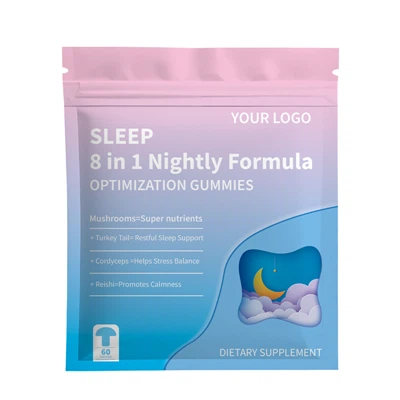
Solid beverages, a convenient and versatile option in the beverage industry, have gained significant popularity in recent years. As a solid beverage supplier, I am excited to share with you the fascinating process of how these products are made.
Raw Material Selection
The journey of making solid beverages begins with the careful selection of raw materials. High - quality ingredients are the foundation of a great solid beverage. For instance, when producing an Organic Fruit & Vegetables Powder, we source organic fruits and vegetables from trusted farms. These raw materials are chosen based on their freshness, nutritional value, and flavor profiles.
Fruits like berries, which are rich in antioxidants, and vegetables such as spinach and kale, high in vitamins and minerals, are often used. For energy - boosting solid beverages, ingredients like caffeine - containing substances (such as green tea extract) and natural sugars (like cane sugar or honey powder) are selected. In the case of Electrolytes Powder, we ensure that the right balance of electrolytes like sodium, potassium, and magnesium is present in the raw materials. These electrolytes are crucial for maintaining proper hydration and bodily functions.
Pre - processing of Raw Materials
Once the raw materials are sourced, they undergo pre - processing steps. For fruits and vegetables, this may involve washing, peeling, and chopping. Washing is essential to remove any dirt, pesticides, or other contaminants. Peeling and chopping make it easier for the subsequent processing steps.
If the raw materials are in a liquid form, such as fruit juices or extracts, they may need to be concentrated. This can be done through evaporation techniques, where the liquid is heated under controlled conditions to remove a significant portion of the water content. For example, when making a fruit - flavored solid beverage, concentrated fruit juice is often used to enhance the flavor.
Mixing
Mixing is a critical step in the production of solid beverages. It ensures that all the ingredients are evenly distributed throughout the product. We use specialized mixing equipment that can handle different types of powders and granules.
In the case of a multi - ingredient solid beverage, like the OEM Good Morning Detox And Performance Drink, which may contain herbs, vitamins, and minerals, the mixing process needs to be carefully calibrated. First, the larger - quantity ingredients are added to the mixer, followed by the smaller - quantity ones. This helps to ensure that even the trace elements are evenly dispersed.
During the mixing process, the temperature and humidity of the environment are also closely monitored. High humidity can cause the powders to clump together, while extreme temperatures can affect the stability of some ingredients, especially heat - sensitive ones like vitamins.
Granulation
After mixing, the powder mixture may undergo granulation. Granulation is the process of forming small, free - flowing granules from the powder. This step improves the solubility, flowability, and appearance of the solid beverage.
There are two main types of granulation methods: wet granulation and dry granulation. In wet granulation, a liquid binder (such as water, alcohol, or a sugar solution) is added to the powder mixture. The binder helps the powder particles to stick together and form granules. The mixture is then dried to remove the excess liquid.
Dry granulation, on the other hand, involves compressing the powder into large tablets or compacts, which are then broken down into smaller granules. This method is often used when the ingredients are sensitive to moisture or heat.
Drying
Drying is an important step to reduce the moisture content of the solid beverage to a level that ensures its stability and shelf - life. If the moisture content is too high, the product may become moldy or clump together over time.
Different drying methods can be used depending on the nature of the product. Spray drying is a commonly used method for solid beverages. In spray drying, the liquid mixture (such as a concentrated fruit juice or a solution of dissolved ingredients) is atomized into small droplets, which are then dried in a hot air stream. The droplets dry very quickly, forming fine powder particles.
Another method is freeze - drying, which is suitable for heat - sensitive ingredients. In freeze - drying, the product is frozen, and then the ice is removed through sublimation (the process of changing from a solid to a gas without passing through the liquid phase). This method helps to preserve the nutritional value and flavor of the ingredients.


Packaging
Once the solid beverage is dried and in the desired form (powder or granules), it is ready for packaging. Packaging serves several important functions, including protecting the product from moisture, oxygen, light, and physical damage, as well as providing information to the consumers.
We use a variety of packaging materials, such as aluminum foil pouches, plastic bottles, and sachets. Aluminum foil pouches are often preferred for their excellent barrier properties against moisture and oxygen. They also provide a good level of protection against light. Plastic bottles are suitable for larger - volume products and offer convenience for consumers. Sachets are ideal for single - serving products, making them easy to carry and use.
The packaging process is carried out in a clean and controlled environment to prevent contamination. The packages are sealed tightly to ensure the integrity of the product. Labels are also applied to the packages, providing information such as the product name, ingredients, usage instructions, and nutritional facts.
Quality Control
Throughout the entire production process, strict quality control measures are in place. We have a dedicated quality control team that monitors every step, from raw material inspection to the final product testing.
Raw materials are tested for their purity, nutritional content, and absence of contaminants. During the production process, samples are taken at regular intervals to check the quality of the intermediate products, such as the mixed powder and the granules. The final product is also tested for its solubility, flavor, color, and nutritional composition.
We follow international quality standards and regulations to ensure that our solid beverages are safe and of high quality. This includes compliance with food safety regulations, such as the Hazard Analysis and Critical Control Points (HACCP) system.
Conclusion
The process of making solid beverages is a complex and multi - step one, involving careful selection of raw materials, pre - processing, mixing, granulation, drying, packaging, and quality control. As a solid beverage supplier, we are committed to producing high - quality products that meet the needs and expectations of our customers.
Whether you are looking for a refreshing fruit - flavored powder, an electrolyte - rich drink, or a specialized detox and performance beverage, we have the expertise and resources to provide you with the best solutions. If you are interested in purchasing our solid beverages or discussing OEM opportunities, we encourage you to contact us for procurement negotiations. We look forward to working with you to meet your specific requirements.
References
- "Food Processing Technology: Principles and Practice" by P. Fellows
- "Handbook of Food Science, Technology, and Engineering" edited by Y.H. Hui
- "Food Packaging: Principles and Practice" by S.S. Han