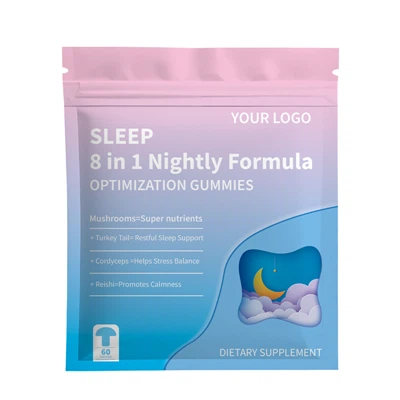
Hey there! As a supplier of oral tablets, I often get asked a bunch of questions from customers. One question that pops up quite a bit is, "Can the coating on oral tablets be removed?" Well, let's dive right into this topic and find out.
First off, let's understand what the coating on oral tablets is all about. Tablet coatings serve several important purposes. One of the main reasons is to make the tablet easier to swallow. You know how some tablets can be a bit rough or have an unpleasant taste? The coating helps to smooth out the surface and mask that taste, making it a whole lot more palatable.
Another key function of the coating is to protect the active ingredients inside the tablet. Many of the substances in our tablets, like the ones in our Collagen Vitamin Tablets for Women, are sensitive to factors such as moisture, air, and light. The coating acts as a barrier, shielding these ingredients from the external environment and ensuring their stability and effectiveness over time.
There are also cases where the coating is designed to control the release of the active ingredients. For example, in our Nature's GIFT Intestinal Regulation tablets, the coating may be formulated to dissolve at a specific rate or in a particular part of the digestive system. This allows for a more targeted and efficient delivery of the beneficial substances to where they're needed most in the body.
Now, back to the question of whether the coating can be removed. In theory, you can physically remove the coating from a tablet. But here's the thing – it's not a good idea in most cases. If you take off the coating to get rid of the taste, you're going to expose the raw tablet, which can be unpleasantly bitter or have a strange texture. And that's not the only problem.
When you remove the coating, you're also compromising the protection it provides to the active ingredients. The tablet may become more vulnerable to degradation, which means its potency and shelf - life can be significantly reduced. If the coating is there for controlled - release purposes, removing it can disrupt the intended release mechanism. This might lead to either too much of the active ingredient being released at once, which could cause side effects, or too little being released, resulting in the tablet not working as effectively as it should.
Let's take a look at some specific types of our tablets. Our Vitamin C Collagen Tablets are coated to keep the vitamin C and collagen stable. Vitamin C is well - known for being sensitive to oxidation. Once the coating is removed, the vitamin C can start to break down when it comes into contact with air, losing its antioxidant properties.
In the case of tablets that are supposed to be enteric - coated, which means they're designed to dissolve in the intestines rather than the stomach, removing the coating can be a real issue. The acidic environment of the stomach can destroy the active ingredients in these tablets if they're not protected by the coating. So, it's really best to leave the coating intact.

I know some people might think that they can crush the tablet and take it that way instead. But again, this has its drawbacks. Crushing a tablet can also affect the release of the active ingredients and may not be recommended, especially for tablets with a special coating or formulation.
If you have concerns about the taste of the tablets, there are better solutions than removing the coating. You can take the tablet with a large glass of water or juice to help wash it down. Some people also find it helpful to take the tablet right after a meal, which can reduce the likelihood of any unpleasant aftertaste.
As a supplier, we've put a lot of thought and research into the design of our tablet coatings. We want to ensure that our customers get the best possible experience and the maximum benefits from our products. Our coatings are carefully formulated to meet the specific needs of each tablet, whether it's for protection, taste - masking, or controlled - release.
If you're in the market for high - quality oral tablets, we've got a great range to offer. Whether you're interested in our collagen tablets for women, our intestinal regulation tablets, or our vitamin C collagen tablets, we're confident that you'll be satisfied with the results.
We're always open to having a chat with potential buyers. If you're thinking about purchasing our oral tablets for your business or personal use, don't hesitate to reach out. We can discuss your specific requirements, answer any questions you might have, and work out the best deal for you. Our team is dedicated to providing excellent customer service and ensuring that you get the products that meet your expectations.
In conclusion, while it may seem like a simple idea to remove the coating from an oral tablet, it's generally not advisable. The coating plays a crucial role in the tablet's performance, stability, and effectiveness. So, next time you pop one of our tablets, just take it as it is and trust that we've done our best to make it work for you.
References
- Pharmaceutical Dosage Forms: Tablets, Volume 1, Third Edition by Herbert A. Lieberman, Leon Lachman, and Joseph B. Schwartz
- Remington: The Science and Practice of Pharmacy, 22nd Edition by Philip B. Ansel, Howard C. Allen, and Nicholas G. Popovich