Yo, what's up everyone! I'm here as a protein powder supplier to have a chat with you about a super interesting topic: Can protein powder be used in baking?
The Basics of Using Protein Powder in Baking
Let's start with the basics. Protein powder has become a staple in the fitness and health - conscious community. It's an easy way to up your protein intake, which is crucial for muscle repair and growth, and also helps keep you feeling full. But can it find its way into your baking recipes? The short answer is yes!
Why Use Protein Powder in Baking?
First off, if you're someone who's trying to maintain a high - protein diet, adding protein powder to your baked goods is a game - changer. Instead of reaching for traditional baked treats that are often high in sugar and low in protein, you can make your own protein - rich muffins, bread, or cookies.
Secondly, protein powder can add a unique flavor and texture to your baked goods. Different types of protein powders have different tastes. For example, whey protein has a creamy, dairy - like flavor that can enhance the taste of your baked items.
Types of Protein Powders for Baking
There are several types of protein powders out there, and each has its own characteristics when it comes to baking.
Whey Protein
Whey protein is one of the most popular types. It's derived from milk and is a complete protein, meaning it contains all the essential amino acids. When you use Gold Standard Whey Protein in baking, it can give your baked goods a moist and tender texture. It also blends well with other ingredients, making it a great choice for a variety of recipes.
Casein Protein
Casein is another milk - derived protein. It's digested more slowly than whey, which means it can provide a steady release of amino acids over time. In baking, casein can make your baked goods a bit denser. It's a good option if you're looking for a more filling and long - lasting energy source in your treats.
Plant - Based Proteins
Plant - based protein powders, like those made from soy, pea, or rice, are great for vegetarians and vegans. They have a different flavor profile compared to dairy - based proteins. For example, soy protein can add a slightly nutty flavor to your baked goods. These protein powders can also be a good choice for people with dairy allergies.
Collagen Protein
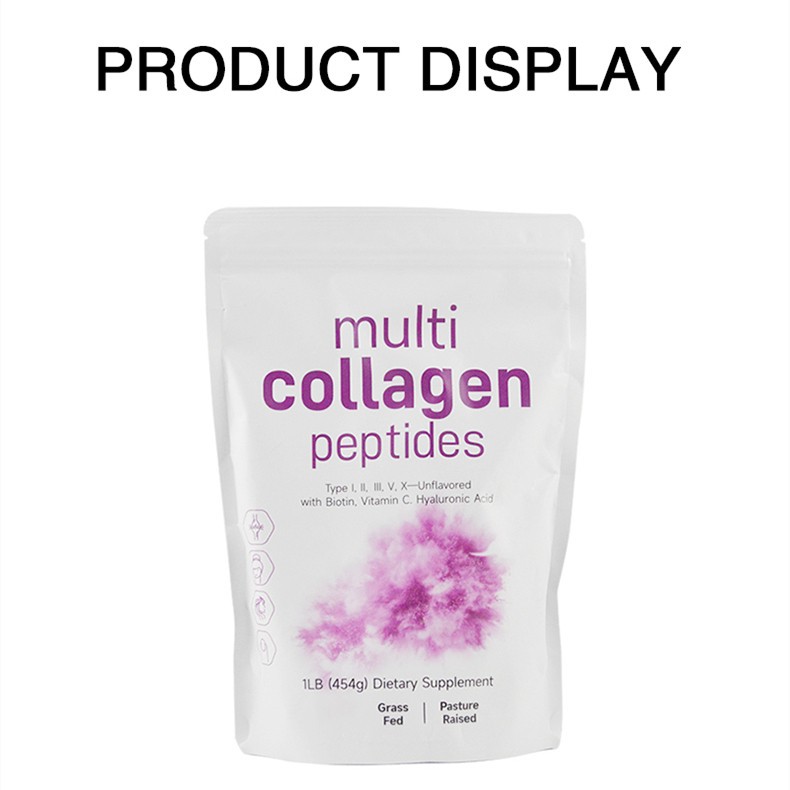
Hydrolyzed Collagen Powder is also an option. Collagen is important for skin, hair, and joint health. When used in baking, it can help strengthen the structure of your baked goods. It has a neutral taste, so it won't overpower the other flavors in your recipe.
Tips for Baking with Protein Powder
Adjusting the Recipe
When you're using protein powder in baking, you'll need to make some adjustments to your recipe. Protein powder can absorb more liquid than regular flour, so you might need to add a bit more milk, water, or other liquids to your batter.
For example, if you're making a batch of cookies and you replace some of the flour with protein powder, you might notice that the dough is a bit dry at first. Just add a little more liquid, like a tablespoon at a time, until you get the right consistency.
Mixing the Protein Powder
It's important to mix the protein powder well with the other dry ingredients before adding the wet ingredients. This ensures that the protein powder is evenly distributed throughout the batter. You can use a whisk or a fork to mix the dry ingredients together thoroughly.
Baking Time and Temperature
Protein powder can affect the baking time and temperature. In general, baked goods with protein powder might take a little longer to bake because the protein needs to set properly. You might also need to lower the temperature slightly to prevent the outside of the baked good from burning while the inside is still raw.
Some Delicious Protein - Packed Baking Recipes
Protein Muffins
These are super easy to make and are a great on - the - go snack. Here's a simple recipe:
- 1 cup of Gold Standard Whey Protein
- 1/2 cup of oats
- 1/4 cup of honey or maple syrup
- 1 egg
- 1/2 cup of milk (dairy or plant - based)
- 1 teaspoon of baking powder
- A handful of blueberries
Mix the dry ingredients (protein powder, oats, baking powder) together in a bowl. In another bowl, whisk the egg, honey, and milk. Pour the wet ingredients into the dry ingredients and stir until just combined. Gently fold in the blueberries. Pour the batter into muffin tins and bake at 350°F (175°C) for about 20 - 25 minutes, or until a toothpick inserted into the center comes out clean.
Protein Cookies
Who doesn't love cookies? Here's a protein - packed version:
- 1/2 cup of Hydrolyzed Collagen Powder
- 1/2 cup of almond flour
- 1/4 cup of coconut oil, melted
- 1/4 cup of sugar substitute (like stevia)
- 1 egg
- 1 teaspoon of vanilla extract
- 1/2 cup of chocolate chips
Mix the dry ingredients (protein powder, almond flour) in a bowl. In another bowl, mix the coconut oil, sugar substitute, egg, and vanilla extract. Combine the wet and dry ingredients and stir until well - mixed. Fold in the chocolate chips. Drop spoonfuls of the dough onto a baking sheet lined with parchment paper. Bake at 325°F (160°C) for about 12 - 15 minutes.
Potential Drawbacks of Using Protein Powder in Baking
While using protein powder in baking has many benefits, there are also a few potential drawbacks.
Taste
Some protein powders can have a strong or unpleasant taste, especially if they're not of high quality. This can affect the overall taste of your baked goods. To avoid this, choose a high - quality protein powder and try to balance the flavors in your recipe.
Digestive Issues
For some people, consuming large amounts of protein powder in baked goods can cause digestive issues like bloating, gas, or diarrhea. This is more likely to happen if you're not used to a high - protein diet or if you have a sensitive stomach. Start with small amounts of protein powder in your baking and gradually increase the amount as your body adjusts.
Conclusion
So, to sum it up, protein powder can definitely be used in baking. It's a great way to add more protein to your diet and make your baked goods healthier. Whether you're a fitness enthusiast or just someone who wants to make more nutritious treats, there are plenty of options for using protein powder in your baking.

If you're interested in sourcing high - quality protein powders for your baking needs or any other purposes, don't hesitate to reach out. We're here to provide you with the best protein powder products to suit your requirements. Let's have a chat and see how we can work together!
References
- "The Complete Guide to Protein Powders" by a well - known nutritionist.
- Various baking blogs and forums discussing the use of protein powder in baking.